Nonsurgical Spinal Decompression Therapy in Columbus, NE

Persistent pain around your back, inability to bend or twist, numbness and tingling down one leg: these are hallmark signs of an injury to your spinal discs.
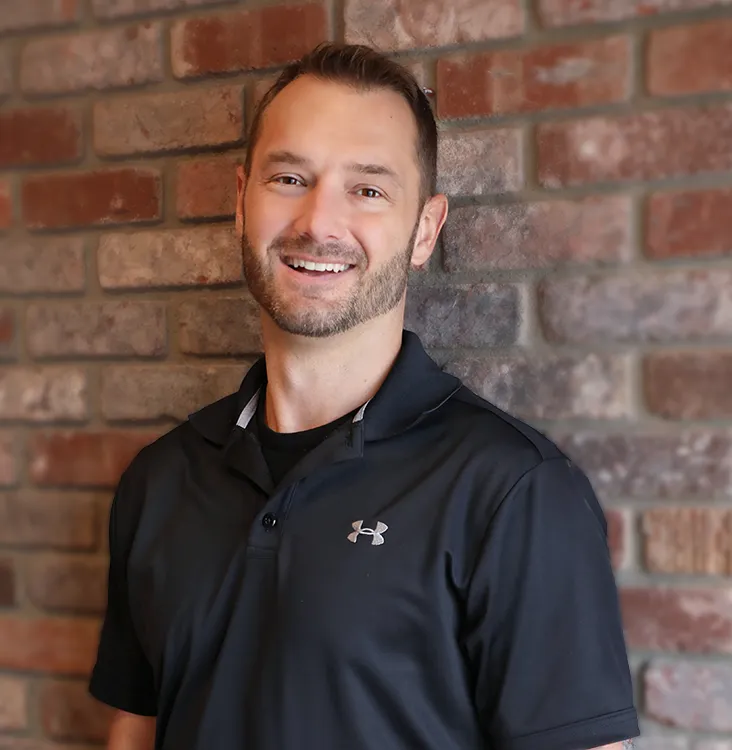
At Driver Chiropractic in Columbus, NE, Dr. Dylan Driver treats herniated and bulging discs, among other similar conditions, with nonsurgical spinal decompression therapy. This modality relieves pain and nerve irritation, restoring your mobility and allowing you to return to living comfortably.
What Is Nonsurgical Spinal Decompression Therapy?
Nonsurgical spinal decompression therapy uses a traction table to gently and slowly stretch your spine.
This stretch produces negative pressure within an injured disc, retracting the herniated or bulging material back into place and away from the nerve it’s irritating. At the same time, decompression restores blood flow to the disc, supporting its recovery and reducing the risk of reinjury.
How the Traction Table Works
You lie on a padded table and wear a harness around your pelvis and torso. Then, the table applies a gentle, programmed sequence of pulling and releasing. Of course, the intensity depends on your body, comfort level, and injury.
Spinal Decompression vs. Chiropractic Adjustments
Chiropractic adjustments involve quick, hands-on pressure that Dr. Driver applies to a specific misaligned joint to restore its mobility and reduce pain and tension.
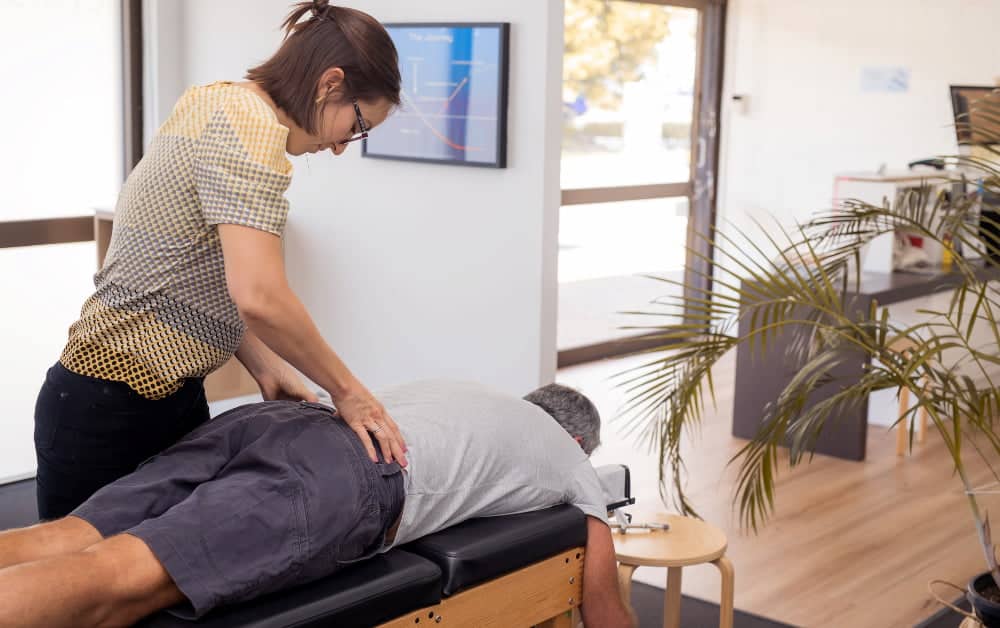
Meanwhile, spinal decompression therapy focuses on the injured disc instead of the joint. It has two types:
- Nonsurgical Decompression: It involves gently stretching your spine using a traction table.
- Surgical Decompression: Surgeons take out bones or disc material to decompress your spine while you’re under anesthesia.
Our approach is noninvasive, requires no anesthesia, and involves no recovery downtime. Furthermore, Driver Chiropractic offers both chiropractic adjustments and spinal decompression in Columbus. Dr. Driver integrates one or both modalities into your care plan, depending on his assessment findings.
Conditions That Our Spinal Decompression Treats in Columbus, NE
Spinal decompression therapy is most valuable when your pain stems from a herniated or bulging disc irritating nearby nerves and tissue. Dr. Driver evaluates each case via:
- Medical history review
- Orthopedic and neurological tests
- Mobility assessments
- Imaging, if necessary

Some of the conditions he typically addresses using spinal decompression therapy include:
- Herniated or Bulging Discs: It happens when disc material pushes outward from your vertebrae and presses on nearby nerves.
- Sciatica: A herniated disc can press on the sciatic nerve in your lower back and trigger pain, numbness, and tingling that travel down your legs.
- Pinched Nerves: They trigger numbness, tingling, and weakness that radiate or refer pain to other parts of your body.
- Degenerative Disc Disease: Your spinal discs can dry out, shrink, and wear down as you age, causing pain and stiffness.
- Neck Pain: Discs in your cervical spine can also herniate, irritate surrounding nerves, and affect your neck’s mobility.
A 2022 study found that nonsurgical spinal decompression therapy reduced pain from herniated discs around the lower back and pelvic area, while also improving patients' functional mobility. Another study reported similar results after treating patients with herniated discs in their cervical spine.
That said, decompression isn’t appropriate for every spinal condition. If your pain stems from a fracture, tumor, or osteoporosis, we may refer you to a medical specialist for the appropriate treatment.
What to Expect During Your Spinal Decompression Sessions
Spinal decompression at Driver Chiropractic is gentle and straightforward. You lie down fully clothed on the decompression table, and Dr. Driver fits your harness. Then, the stretch-and-release cycle begins gradually. Many of our patients find these sessions relaxing.
How Long Is a Treatment Plan?
The length of treatment plans that include spinal decompression therapy depends on your condition and its severity.
This means there isn’t a one-size-fits-all timeline. We use our findings from your assessments to personalize a care plan to your needs, then adjust your schedule based on how your condition and symptoms respond to the treatment.
That said, Dr. Driver typically pairs spinal decompression with chiropractic care for a more holistic program, which can help accelerate your recovery.
Are You a Candidate for Nonsurgical Spinal Decompression?
Ideal candidates for nonsurgical spinal decompression therapy typically have disc-related symptoms that haven’t resolved with rest, lifestyle adjustments, or self-care, and prefer to avoid surgery.

However, this approach isn’t appropriate for everyone. Dr. Driver may suggest other treatments if you’re pregnant or have any of these conditions:
- Spinal fracture
- Severe osteoporosis
- Spinal tumor
- Surgical implants in your spine
- Advanced spinal stenosis
These considerations are why every treatment program begins with comprehensive exams and assessments. They establish what’s causing your pain, confirm whether decompression is safe for your spine, and identify anything that another provider should look at first.
Why Choose Driver Chiropractic for Spinal Decompression Therapy in Columbus, NE
At Driver Chiropractic, care is delivered by Dr. Dylan Driver, a Doctor of Chiropractic certified by the National Board of Chiropractic Examiners (NBCE). He graduated from Logan College of Chiropractic and is a member of the Nebraska Chiropractic Physicians Association and the American Chiropractic Association.
This means you receive proven care in one location, whether you need decompression therapy or chiropractic adjustments. Dr. Driver leverages thorough examinations and his extensive experience to build treatment plans that help you recover optimally. You can rest easy knowing you’re in good hands.
If you’re ready to begin your recovery, simply let us know. Driver Chiropractic’s spinal decompression therapy in Columbus, NE, can restore your spine’s condition and get you back to doing what you love. Schedule a consultation today.
Frequently Asked Questions
Yes, provided it’s performed by a qualified professional like Dr. Dylan Driver. The treatment is nonsurgical and noninvasive, and most patients find it comfortable. That said, it isn’t appropriate during pregnancy or for patients with:
- Spinal fracture
- Severe osteoporosis
- Spinal tumor
- Surgical implants in your spine
- Advanced spinal stenosis
It depends on your condition and its severity. Some patients with mild disc-related conditions can benefit from a few sessions over the course of weeks, while those with chronic symptoms may require ongoing care. Dr. Driver will provide an estimated timeline during your initial evaluation to set your expectations.
No, health insurance does not cover spinal decompression therapy. For other chiropractic care-related approaches, however, Driver Chiropractic will verify your coverage before we begin treatment to avoid any financial surprises down the road. Also, we accept a range of insurers, namely:
- Aetna
- Blue Cross Blue Shield
- Cigna
- Medicare
- Medicaid
- Midlands Choice
- Nebraska Total Care
- UnitedHealthcare
No. A spinal adjustment is a quick, hands-on thrust to a misaligned joint to restore its alignment and mobility. Meanwhile, spinal decompression uses a motorized traction table to slowly and gently stretch your spine and, in effect, retract herniated or bulging discs.
People who are pregnant or who have a spinal fracture, severe osteoporosis, spinal tumor, or surgical hardware in their spine shouldn’t receive spinal decompression. Dr. Driver will perform a short screening exam during your initial visit to confirm whether decompression is safe for you.
No. Most patients find it comfortable and even relaxing, as the traction table gently stretches and releases their spine in cycles. You may inform Dr. Driver of any discomfort you experience during therapy so he can adjust the table’s settings accordingly.