Is My Sports Injury Serious? When to See a Chiro in Columbus, NE

If you were running drills at the park or lifting weights in the gym and felt something give out, one question might pop into your mind: Is my sports injury serious?
This is a normal question, given how scary those injuries seem. However, the right answer isn’t as straightforward as it seems, because it depends on various factors crucial to effective and efficient sports injury treatment in Columbus, NE.
With that, let’s discuss when to rest at home, when to see a provider, and when to go straight to an ER after an injury to prevent it from worsening.
What Counts as a Sports Injury?
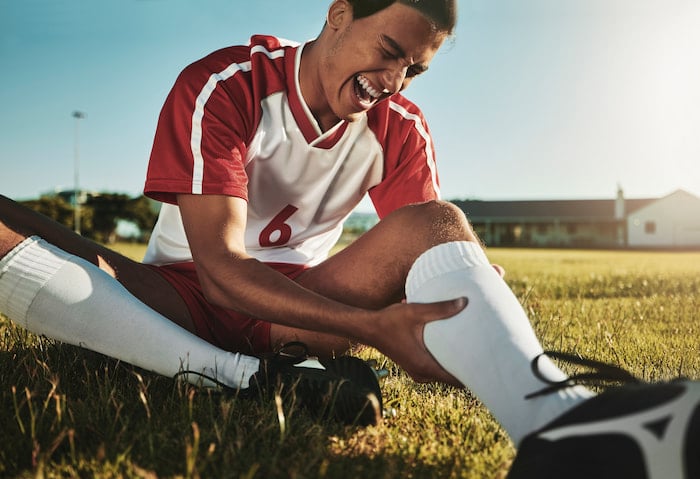
A sports injury refers to any damage to your muscles, bones, and other physical structures during physical activities, particularly sports. There are two primary types:
- Acute injuries occur suddenly due to sudden trauma, such as a rolled ankle or a pulled hamstring.
- Overuse injuries develop slowly from repeated stress; common examples include tennis elbow and shin splints.
A study found that, among high school athletes in the U.S., acute injuries (92%) were significantly more common than overuse injuries (8%). Furthermore, some of the most typically diagnosed sports injuries include:
- Fractures: A break or crack in a bone, often due to a hard fall, direct impact, or repetitive stress
- Bursitis: Inflammation of the small, fluid-filled sacs cushioning your joints (bursa), commonly triggered by repetitive activities like throwing or running
- Concussions: A mild traumatic brain injury (TBI) from a blow or jolt to your head, frequently seen in contact sports like football and soccer
- Bruises: Discoloration under your skin from a direct hit that damages tiny blood vessels
- Dislocations: An injury in which a fall or impact forces a bone out of its normal position in a joint
- Strains: An overstretched or torn muscle or tendon, often caused by sudden movements, sprinting, or lifting
- Sprains: An overstretched ligament around a joint, typically resulting from rolling an ankle or twisting a knee
- Tendonitis: Inflammation of a tendon from repetitive overuse or making the same movement over and over
Should You Rest at Home or See a Provider? A Simple Sports Injury Self-Check
In most mild cases, icing a sports injury is better than seeing a doctor. What medical professionals recommend for at-home care is the RICE approach:
- Rest: Stop activity and rest the injured area as much as possible for the first 48 hours, being careful not to place weight on it.
- Ice: Apply an ice pack for 15 to 20 minutes every two hours for the first two days to reduce swelling. Avoid icing for too long to avoid frostbite.
- Compression: Wrap the injured area with an elastic medical bandage to prevent swelling, ensuring a snug fit to avoid interrupting blood flow.
- Elevation: Raise the injured limb, ideally above heart level, to slow blood flow in the area and reduce pain and swelling.
However, keep in mind that home care works when your pain is mild, the injured limb is still movable, and symptoms improve daily. If your symptoms worsen after two days, it’s a sign of a serious sports injury. It’s important to get an evaluation immediately to rule out complications that could lead to critical conditions.
Evaluate Your Symptoms: A Simple Sports Injury Self-Check
Run through this quick checklist. The more boxes you tick on the serious side, the sooner you should receive professional sports medicine in Columbus, NE.

- Is your pain mild and getting better every day, or is it sharp and lingering?
- Is the swelling mild, or is it large and growing rapidly?
- Is there a deep or spreading discoloration?
- Can you move your injured joint, or is it immobile?
- Can you stand or walk on your injured limb?
- Can you use your injured limb normally, or does it feel weak or unstable?
Sports Injury Red Flags: When to Visit the ER Immediately
The following indications mean it’s time to skip the wait and go to the ER for your sports injury promptly.
- A suspected fracture
- A dislocated joint
- A head injury or concussion
- Confusion, vomiting, and loss of consciousness
- Severe swelling with numbness
- Uncontrolled heavy bleeding
- Complete inability to bear weight on your injured limb
Injuries with these symptoms are usually not conditions that chiropractic care and similar therapies can address.
Head injuries are particularly serious—according to Johns Hopkins Medicine, they’re the leading cause of death from sports injuries. So, if you suspect you or a loved one has it, get sports injury treatment from the Columbus Community Hospital ER or another local hospital.
Sports Injury Chiropractor vs. Urgent Care vs. Emergency Room: Where Should You Go?
The “right” medical provider depends on the type of injury you have and how severe it is. A chiropractor is often the first step for mild musculoskeletal problems that don’t involve fractures, dislocations, or other emergencies. Urgent care handles minor injuries when your regular provider isn’t available, and the ER is for life-threatening or limb-threatening conditions.
Let’s go over these differences in this table to help you understand which provider to visit.
| Sports Injury or Symptom | Chiropractor | Urgent Care | Emergency Room |
| Mild Strain or Sprain | Yes, good first option | Yes, if you want it checked | Not needed |
| Persistent Joint Pain and Immobility | Yes | Sometimes | Not needed |
| Neck or Back Pain | Yes | Sometimes | Only with red flags |
| Suspected Pinched Nerve or Sciatica | Yes | Sometimes | Only with red flags |
| Overuse Injuries | Yes | Sometimes | Not needed |
| Inability to Bear Weight on Injured Limb | Not the first option | Yes | Yes, if severe |
| Possible Fracture | No | Yes, for minor fractures | Yes |
| Joint Dislocation | No | No | Yes |
| Head Injury or Suspected Concussion | No | No | Yes |
| Severe Swelling With Numbness | No | No | Yes |
| Open Wound | No | Minor wounds only | Yes |
| Heavy Bleeding | No | No | Yes |
| Loss of Bladder or Bowel Control | No | No | Yes |
Common Sports Injuries a Columbus Chiropractor Can Help Treat
If your injury doesn’t show any red flags, you don’t have to worry about visiting an ER for your or your kid’s sports injury. Instead, you can visit a chiropractor to treat mild to moderate sports-related musculoskeletal conditions. These include:

- Strains and sprains
- Tendonitis
- Overuse injuries
- Neck or back pain
- Joint stiffness
- Nerve irritation
These are daily complaints that respond well to nonsurgical, drug-free, hands-on care. In fact, all NFL and MLB teams employ chiropractors, demonstrating the value of chiropractic care in sports.
What Sports Injury Treatment Looks Like at Driver Chiropractic
Effective care begins with a thorough medical evaluation. At Driver Chiropractic, Dr. Dylan Driver performs three initial assessments:
- He reviews how your injury happened.
- He checks your strength and mobility.
- He tests the joints and nerves involved.
These tests inform Dr. Driver whether chiropractic care is appropriate for your condition or whether you need further evaluation or a referral.
If chiropractic care is appropriate, he builds a care plan personalized to your injury and goals, whether that’s getting back to your sport or improving your athletic performance.
Treatment focuses on precise joint and spinal adjustments to restore motion and realign your vertebrae, lifting the pressure they place on surrounding structures. This eases pain and relieves inflammation, muscle tension, and nerve irritation, among many other improvements.
Frequently Asked Questions (FAQ)
Yes. If left unchecked, a small strain could turn into a severe inflammation that leads to chronic pain. Your body may also develop compensatory patterns, adjusting your posture and movement to avoid pain, which often leads to further problems.
For a mild injury, you can continue monitoring your condition and use RICE (rest, ice, compression, elevation) if it improves each day. If pain, swelling, or weakness stay the same or worsen after three days, book a professional evaluation. However, if you notice any red flags, such as a severe fracture or dislocation, visit the ER right away.
No. You may visit Driver Chiropractic and schedule an appointment on your own. That said, if you plan to use insurance, check your policy first since some have their own rules about referrals.
It depends on your injury and its severity. While mild sprains and strains typically settle in a few weeks, more significant injuries take longer. Dr. Dylan Driver will provide an estimated recovery timeline after your evaluation to help set your expectations.
You should warm up before physical activity, build intensity gradually, and schedule rest days so your tissues can recover and damage doesn’t accumulate. You may also schedule regular chiropractic adjustments to keep your body in good shape.
When It's Time to Get Your Sports Injury Evaluated
Not every injury is an emergency, but you should never ignore persistent or worsening symptoms. If you’re wondering whether your condition is serious, the safest move is to get a diagnosis, as it will guide you to the right treatment and prevent any complications.
Don’t hesitate to reach out to Driver Chiropractic. Dr. Dylan Driver will thoroughly assess your condition and, if chiropractic care is necessary, deliver personalized, nonsurgical sports injury treatment in Columbus, NE, to help you begin your recovery and return to your sport as a better athlete than before.

Columbus, NE 68601