Numbness & Tingling in Your Hands or Feet: 7 Causes and What They Mean

If you regularly feel numbness, tingling, or prickling sensations in your hands or feet, you’re likely worried about nerve damage. Rest assured that these sensations are often normal.
Still, it’s crucial not to ignore these symptoms, as they can stem from a wide range of conditions, from a simple pinched nerve to real emergencies—especially if they’re abnormally recurrent.
Getting a diagnosis will help you determine if your symptoms are a cause for concern, and, if so, receive treatment for numbness and tingling treatment in Columbus, NE.
What the “Pins and Needles” Feeling Actually Is

Healthy nerves carry consistent electrical signals between your brain and the rest of your body. However, when something interferes with these signals, your nervous system triggers neurological sensations, such as numbness, prickling, and pain, to indicate that something’s wrong.
How Nerve Compression Disrupts Signal
Mild nerve compression causes brief numbness and tingling when, for example, you lie on your arm for too long. These sensations typically subside when you relieve pressure on the nerve.
However, prolonged and significant pressure from a musculoskeletal problem, such as a tense muscle or a herniated disc, can reduce blood flow to the nerve and lead to recurring numbness, weakness, or nerve damage.
Understanding Peripheral Neuropathy and Nerve Pathways
Your nervous system has two parts:
- The central nervous system, consisting of your brain and spinal cord
- The peripheral nervous system, which involves the network of nerves reaching your extremities
Numbness and tingling stem from various causes, but most fall into a handful of patterns that, with proper treatment, provide relief from numbness and tingling in your hands and feet.
Peripheral neuropathy occurs when the nerves in your extremities are damaged, producing symptoms in your hands and feet. Pinpointing where along this pathway your problem begins will help you and your provider determine the appropriate treatment for peripheral neuropathy.
Why It Often Happens at Night or With Position Changes
You might’ve noticed that your symptoms often appear at night or when you hold a position for a while. This is because sleeping in one position for hours or sitting with a rounded posture increases pressure on already irritated nerves. The symptoms ease when you move because the pressure briefly releases.
The 7 Most Common Causes of Numbness and Tingling
1. Pinched Nerve (Cervical or Lumbar Radiculopathy)
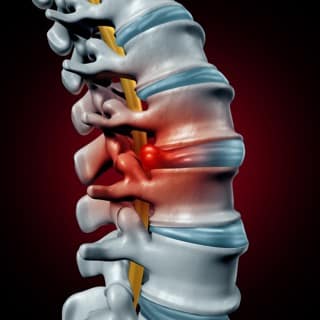
Bulging discs, bone spurs, and other musculoskeletal conditions place pressure on the nerve roots in your neck or lower back, which can impair their ability to send healthy signals to your brain. This pressure triggers numbness, prickling, and other neurological symptoms down your arm or leg.
2. Herniated or Bulging Disc
Spinal discs are the jelly-like tissue cushioning each pair of vertebrae. Injury can cause them to bulge, herniate, and press on nearby nerve roots. It’s a frequent source of radiating numbness and other symptoms, with over 3 million Americans getting a herniated disc every year.
3. Carpal Tunnel Syndrome
Injury to your hand or forearm compresses the median nerve in the carpal tunnel in your wrist. It typically triggers tingling sensations in your thumb, index, and middle fingers, which often worsen at night.
4. Sciatica
Sciatica is the irritation of your sciatic nerve, which runs down your lower back to your legs. It often occurs due to disc problems and causes radiating pain, along with numbness, tingling, and other neurological symptoms in your legs and feet.
5. Poor Posture and “Tech Neck”
Spending hours staring down at your phone or at your computer screen strains your neck and shoulders. This posture, often referred to as “tech neck,” causes tension along your upper back and cervical spine, irritating the nerves in these areas.
6. Peripheral Neuropathy
This condition refers to damage to the nerves in your extremities. Diabetes is a common cause, with 50% of people with the disease having peripheral neuropathy, but thyroid disorders and other conditions contribute as well.
7. Repetitive Strain and Thoracic Outlet Syndrome
Repetitive motions and thoracic outlet syndrome—a compression of nerves and blood vessels near your collarbone—can both trigger tingling sensations in your arms and hands. These overuse-driven patterns often improve when you treat the underlying compression.
Less Common but Important Causes to Rule Out
Not every cause is structural; some originate from inside your body. Ruling them out helps you avoid missing out other possible explanations and pinpoint the actual cause.
Vitamin B12 Deficiency
Vitamin B12 deficiency can impair nerve function and, as a result, is a common cause of numbness in the extremities. Because your provider can easily test for this deficiency, it’s worth ruling out early.
Side Effects of Medication
Many medications, such as certain antibiotics and blood pressure medicines, can cause numbness or tingling as side effects. That is why reviewing your medications with your doctor during your initial consultation for your numbness and tingling problems matters.
When Numbness Signals Something Systemic
Certain autoimmune and metabolic disorders, such as thyroid disease, can trigger neurological symptoms like numbness and tingling. In fact, a broad workup is necessary if numbness appears on both sides of your body or spreads without a clear injury.
Neurological Red Flags: Pinched Nerves vs. Systemic Medical Emergencies
While you usually don’t have to worry when you feel numbness or tingling, some instances indicate deep-seated structural problems that require immediate medical attention. Knowing the differences between a mild and an emergency lets you act quickly when it counts.
Stroke Warning Signs
Sudden numbness on one side of your body may indicate a stroke. Remember the FAST mnemonic when evaluating another person for a possible stroke:

- Face Drooping: Check if one side of the face is drooping or numb.
- Arm Weakness: Check if one arm feels weak or numb.
- Speech Difficulties: Check if speech is slurred, hard to understand, or if the person is unable to speak.
- Time to Call 911: If any of these signs check out, call emergency services immediately.
Sudden Numbness With Weakness or Loss of Bladder Control
Feeling numbness and tingling alongside the following symptoms may indicate severe spinal cord involvement, necessitating an emergency evaluation:
- Muscle weakness
- Loss of bladder control
- Loss of bowel control
- Rapidly spreading symptoms
When to Book an Appointment
If your numbness or tingling is persistent, worsening, or interfering with daily life, but without the indications above, you may schedule a professional evaluation instead. Early assessment prevents these problems from developing into worse complications.
The Nerve-First Approach for Relief from Tingling in Your Hands and Feet
A nerve-first treatment philosophy focuses on restoring healthy nerve communication rather than masking these sensations.
It doesn’t treat tingling or numbness as isolated symptoms. Instead, it seeks to identify what’s interrupting your nerve signals, then works to release that pressure right at its source to restore your function.
The Self-Check: What Your Symptom Pattern Suggests
The pattern in which your symptoms appear and migrate offers clues as to what’s causing them. For example:
- Tingling in your thumb, index, and middle fingers points toward carpal tunnel syndrome.
- Symptoms shooting down one leg suggest sciatic nerve compression.
- Numbness in both feet that spreads upwards may indicate peripheral neuropathy.
You can use these patterns to identify which musculoskeletal structure may be triggering your symptoms, and then confirm it with a professional evaluation.
How Chiropractic Care Addresses Nerve-Related Numbness and Tingling
Do your numbness, tingling, and other neurological symptoms stem from spinal misalignments? If so, chiropractic care can help reduce this pressure and support your normal nerve function.
Your provider will integrate the following chiropractic modalities into your treatment plan to help you recover fully and efficiently.

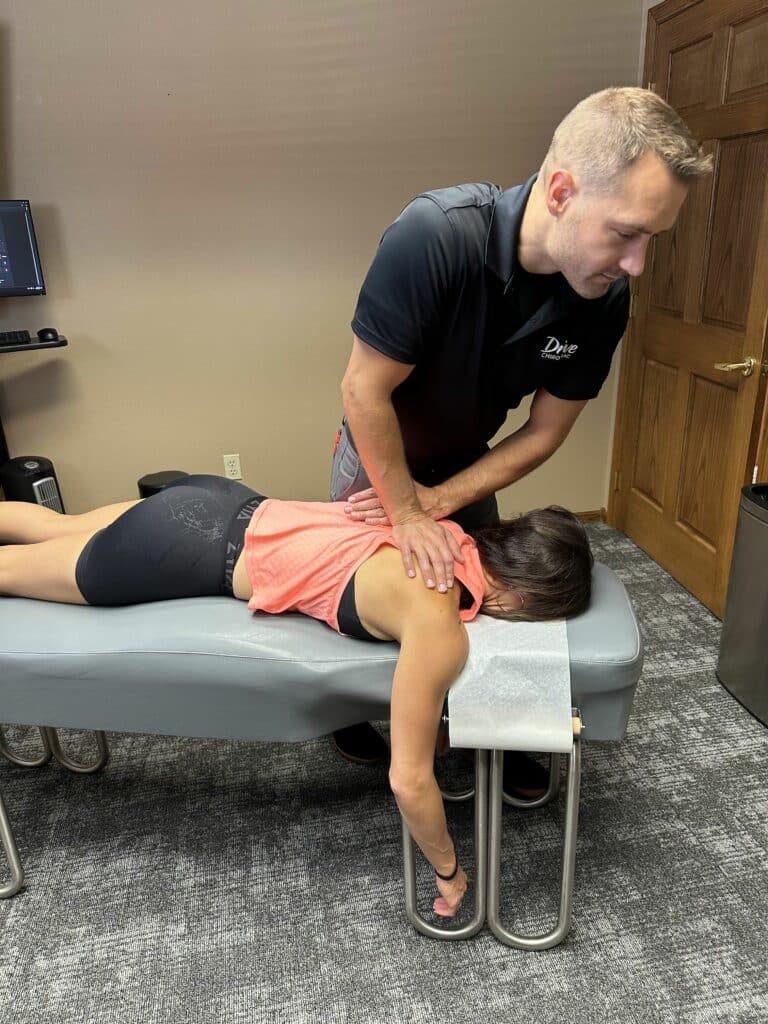
- Spinal Adjustments: A nerve compression chiropractor applies targeted force on misaligned joints and sections of your spine to reduce the pressure they place on surrounding nerve roots.
- Decompression Therapy: This approach slowly and gently stretches your spine to create space between vertebrae, which retracts bulging or herniated discs and eases compression on surrounding nerves.
- Therapeutic Soft Tissue Work: Soft tissue therapy addresses muscle tension and restrictions that compress peripheral nerves.
Chiropractic Decompression vs. Neurological Medications
Some patients compare chiropractic care against common nerve medications, such as gabapentin, pregabalin, and duloxetine, because they want to recover without solely relying on medicines. Let’s go over these treatments to help you understand what they can do for you.
| Category | Chiropractic Decompression | Neurological Medications (Gabapentin, Pregabalin, Duloxetine) |
| Primary Goal | Restore nerve function by relieving pressure from surrounding structures | Reduce your perception of pain, numbness, tingling, and other neurological symptoms |
| What It Targets | The mechanical source of nerve compression | Nerve signaling in your brain and spinal cord |
| Onset of Relief | Gradual; over the course of care, the length of which depends on your needs and goals | Often within days to weeks |
| Long-Term Outcome | Aims to address the underlying cause of your symptoms | Manages symptoms while taken |
| Side Effects | Minimal discomfort and soreness | Dizziness, drowsiness, and nausea, among others |
| Dependency | None | Carries dependence and withdrawal risks |
| Best For | Nerve compression-based numbness | Managing symptoms while undergoing more hands-on care |
| Treatment Focus | Root cause and function | Symptom control |
While these medications only mask symptoms and don’t tackle the root cause of numbness and tingling, they do have their place, particularly for systemic neuropathy. They can work alongside chiropractic care to help you receive manual therapies and recover more comfortably.
When Chiropractic Care Helps and When You Need a Different Professional
Chiropractic helps address structural issues that cause nerve compression. However, it isn’t always appropriate.
Compression-Based Numbness: Where Chiropractic Excels
Numbness from pinched nerves, disc issues, posture strain, and similar mechanical causes is where chiropractic care works best. These cases respond well because the problem stems from musculoskeletal problems.
Systemic Neuropathy: Coordinating With Your Doctor
If your neurological symptoms come from diabetes, autoimmune diseases, or other metabolic conditions, your chiropractor must coordinate with your physician, not work alone. Chiropractic care should support your recovery while medical treatment manages the systemic condition so that you can heal holistically.
Why “Wait and See” Is Risky for Nerve-Related Symptoms
Waiting allows a small, reversible problem to become a chronic one. Pinched nerves that stay pinched for a long time can become damaged, which is considerably more difficult to address than simple compression.
This is why early intervention is crucial. It addresses the root cause of your numbness and tingling while it is most treatable, avoiding unnecessary progression.
How Long Until Numbness Improves?
Your recovery timeline will depend on the origin of your condition. Posture-related tingling can ease within a few weeks upon correcting your habits. Meanwhile, nerve compression from a herniated disc improves over a course of care lasting up to a few months.
Chronic neuropathy from systemic conditions heals more slowly, with treatment focusing on managing symptoms and protecting your nerves’ health over time. Your chiropractor will provide you with a realistic timeline during your first visit to help manage your expectations.
Frequently Asked Questions (FAQ)
It depends on the severity of your condition. A pinched nerve can cause lasting numbness if compression continues for a long time. However, most cases improve when pressure is relieved early, which is why prompt evaluation is essential for reducing the risk of permanent numbness.
Not necessarily. Brief, occasional tingling that resolves quickly, such as when your foot “falls asleep,” is mostly harmless. That said, it’s best to seek medical attention when these sensations are recurring, persistent, and accompanied by other neurological symptoms.
Yes. Stress and anxiety can trigger muscle tension, which often compresses surrounding nerves and causes tingling sensations, as well as numbness, prickling, and other neurological symptoms.
No. Numbness often occurs due to temporary nerve compression, such as when you sit on your feet for long periods. It doesn’t mean the nerve is damaged. However, if your numbness is persistent and unexplained, a comprehensive assessment can determine if it involves nerve damage.
Yes. Numbness can spread as a nerve issue progresses or a systemic condition develops. Spreading symptoms are an indication to seek prompt medical evaluation to avoid further complications.
Getting Evaluated in Columbus, NE
If you regularly experience numbness or tingling, don’t wait for them to worsen. Getting professional treatment for numbness and tingling will help you keep them at bay by addressing the hidden structural conditions that cause them.
Thankfully, you don’t have to look far for a trusted clinic. Driver Chiropractic offers a nerve-first evaluation in Columbus, NE, that identifies the root cause of your symptoms and builds a noninvasive, drug-free chiropractic treatment plan around it.

Columbus, NE 68601