Sciatica vs. Leg Pain: How to Tell Them Apart

Lingering leg pain can make every day harder than it should be. You might start to dread each step, and every night that should be spent in restful sleep becomes an uncomfortable one. As such, you’re likely looking for a way to become comfortable again.
Leg pain treatment in Columbus, NE, starts with naming the source of your condition, because it can stem from problems in your nerves, muscles, or joints, among other things. Sciatica is a common cause, but it’s not the only one.
Knowing these differences will help you make better decisions regarding your treatment and recovery.
Sciatica Is One Type of Leg Pain, Not All of It
Many believe that most cases of leg pain, if not all, originate from sciatica. However, sciatica is a specific kind of pain. It occurs when a structural problem compresses your sciatic nerve, which runs from your lower back down to your leg, affecting up to 40% of Americans at least once in their lifetime.
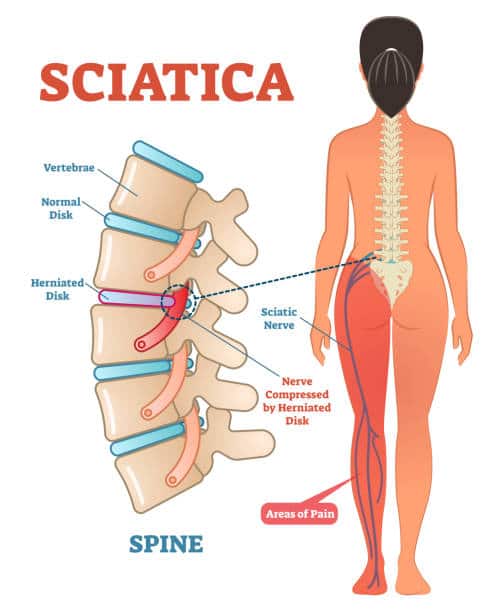
Meanwhile, your leg can also be painful from muscle tension, nerve problems unrelated to your sciatic nerve, and more serious conditions. This distinction is where knowing the difference between referred and local pain matters.
- Referred pain starts in one place, usually your spine, but is felt somewhere else, like your leg.
- Local pain starts in your leg itself due to problems in your muscles or joints.
Why Leg Pain is Not a Single Condition
Like all types of pain, leg discomfort isn’t a condition in and of itself, but a symptom of one. Several systems in your body can cause discomfort, which is why an accurate diagnosis is fundamental to an effective treatment for leg pain.
Most cases of leg pain fall into one of four categories:
- Nerve Pain: It occurs when a structural problem, such as a herniated disc, compresses or irritates a nerve. This is what triggers sciatica-related leg pain.
- Muscle Pain: It comes from strains, tension, or overuse injuries, particularly after intense physical activity or an accident.
- Joint Pain: It originates in your knees, hips, or ankles and typically causes radiating pain in your legs.
- Vascular Pain: This type of pain typically presents as cramping, aching, or heaviness, often due to circulation issues such as peripheral artery disease.
What Sciatic Leg Pain Feels Like
Sciatica's symptoms have a recognizable pattern vs. typical muscle pain. For one, it almost always affects one leg at a time. Pain typically travels from your lower back or buttocks down the back of one leg, which follows the path of your sciatic nerve.
Sciatica also manifests these symptoms:
- Shooting, burning pain
- Tingling sensations
- Numbness and weakness
It’s also worth noting that if your leg pain worsens during prolonged sitting, bending forward, lifting, coughing, or sneezing, you may have a sciatic nerve-related condition.
Common Root Causes of Sciatica
Sciatica usually traces back to one of three common sources, and knowing what triggered yours is crucial to treating the pinched nerve in your leg.

- Herniated Disc: A spinal disc, which is the jelly-like cushion between each pair of vertebrae, can bulge or slip and compress your sciatic nerve.
- Spinal Stenosis: When the space within your lumbar (lower back) spine narrows, it can put pressure on your spinal cord and sciatic nerve.
- Piriformis Syndrome: The piriformis muscle is a small band in your buttocks, which can compress the nearby sciatic nerve when it spasms or tightens.
What Non-Sciatic Leg Pain Feels Like
Not all instances of leg pain stem from your spine. Most of them start within your leg’s musculoskeletal structure, such as your muscles or joints, and feel noticeably different from sciatica.
Muscle Strains
Pain in your leg muscles is related to your activities. It often manifests as soreness or tightness after exercise or long hours on your feet. Pain tends to stay in one spot—the injured muscle—instead of traveling down your leg.
Referred Joint Pain
Ankle or knee problems, the latter of which affects one in four adults, usually refer to discomfort in the surrounding parts of your leg. This pain worsens with movement or weight bearing on the affected joint and usually remains localized.
Postural and Gait-Driven Pain
Poor posture, misalignments, and imbalanced movement patterns strain muscles and joints in your feet, legs, or lower back. Over time, this strain builds and triggers leg pain that gradually intensifies.
Could It Be Something Else? Other Causes of Leg Pain
Besides nerve, muscle, and joint issues, a few other conditions can also cause leg pain, each requiring a different treatment approach.
Peripheral Neuropathy
Peripheral neuropathy involves damage to your nerves, often producing burning pain, numbness and tingling sensations. Unlike sciatica, it can affect both legs at once and tends to start in your feet. Diabetes is the leading cause of this condition.
Vascular Problems
Some circulation problems can trigger leg pain. For example, peripheral artery disease may cause cramping or fatigue in your legs during activity, while blood clots are urgent concerns that also lead to swelling and pain.
Restless Leg Syndrome and Nocturnal Cramps
Restless leg syndrome often creates an uncomfortable urge to move your legs at night. Nocturnal leg cramps are common as well, inducing sudden, painful muscle contractions due to fatigue and nutrient deficiencies.
Side-by-Side Comparison of Symptoms
This table compares four common types of leg pain based on characteristics that matter during diagnosis.
| Feature | Sciatica | Muscle Pain | Neuropathy | Vascular Pain |
| Pain Location | One-sided, from your lower back to a leg | Local, in the worked muscle | Affects both legs, typically starting from your feet | In your calf or leg |
| Pain Type | Shooting, burning, electric | Aching, tight, pulling | Burning, tingling, numb | Cramping, swelling, fatigue |
| Triggers | Sitting, bending, coughing | Physical activity and overuse | Diabetes, vitamin deficiencies, alcohol intake | Activity or inactivity, damage to blood vessels |
| Relief Patterns | Position changes, reduced nerve pressure | Rest, gentle movement | Variable; needs medical management | Rest; urgent care for clots |
| Risk Level | Moderate, treatable | Low to moderate | Moderate and needs evaluation | It can be high, particularly with blood clots |
Red Flags: When Leg Pain Needs Urgent Care
While most cases of leg pain aren’t emergencies, some symptoms signal that you should seek immediate help from a chronic leg pain professional to avoid severe complications.
Deep Vein Thrombosis (DVT)
DVTs are blood clots that usually appear in the legs. It's crucial to treat them as urgent, as they could break loose, travel through your bloodstream, and lodge in your lungs—a medical emergency called pulmonary embolism.

Warning signs of DVT include:
- Swelling in one leg
- Warmth
- Redness
- Tenderness
- Cramps
Cauda Equina Syndrome
While rare, cauda equina syndrome is serious. It occurs when the nerve roots at the lower section of your spinal cord become compressed, which, left untreated, may lead to permanent nerve damage and paralysis.
When to Schedule an Appointment
Short of an emergency, some patterns are worth seeing a chiropractor. Consider scheduling treatment if your leg pain is burning, persistent, or worsening, and occurs alongside other symptoms. Don’t wait it out to avoid developing more severe complications.
Nonsurgical Chiropractic Care for Pinched Nerves in Your Leg
If your leg pain comes from a pinched or compressed nerve, chiropractic care offers nonsurgical relief for leg cramps, pain, numbness, and other symptoms.
A chiropractor for leg pain performs gentle, targeted adjustments to your spine or joints that are misaligned. Doing so relieves the pressure these misalignments place on surrounding nerves and tissues, gradually easing your symptoms.
Ultimately, chiropractic care is appropriate if you want relief from sciatica and other nerve-related conditions without relying on medication or surgery.
How a Columbus Chiropractor Diagnoses Your Condition
Source-focused diagnostics ensure you and your chiropractor understand exactly why your leg hurts before you begin any treatment, helping avoid misdiagnosis. Let’s go over the steps your chiropractor may take to identify your condition.

- Initial Consultation: Each treatment begins with a thorough discussion of your medical history, symptoms, and pain patterns.
- Physical Exam: Your chiropractor tests your movement, posture, and musculoskeletal function.
- Imaging (If Needed): Your chiropractor may recommend X-ray, MRI, or other scans when they need a clearer picture of your spine to guide your treatment.
Treatment by Cause: What Actually Works
The right treatment depends on your diagnosis and is what produces meaningful outcomes for your well-being.
- Chiropractic Care: Joint and spinal adjustments restore their alignment, decompressing the area that has been irritating your nerves.
- Soft Tissue Therapy: Manual techniques help release muscle tension, mobility, and healing.
Some cases involve more than one cause, such as nerve irritation alongside tight muscles. In these situations, combining approaches is more effective than relying on a single one.
How Long Does Leg Pain Take to Heal?
Recovery times depend on the causes and severity of your condition. A minor muscle strain often lasts a few days to a couple of weeks with appropriate care.
Meanwhile, sciatica and nerve-related pain take longer as nerve irritation gradually settles. More established chronic conditions may require ongoing, consistent care over months.
In all cases, healing is rarely instantaneous. Your chiropractor will provide you with a realistic recovery timeline after your assessments and diagnosis to help you track your progress.
Frequently Asked Questions (FAQ)
In many cases, yes. Burning leg pain typically points to nerve problems, such as sciatica or peripheral neuropathy. It doesn’t always lead to permanent damage. Still, swift diagnosis and treatment are critical to preventing the underlying cause of your pain from worsening and creating other complications.
Leg pain often gets worse at night because sleeping horizontally reduces circulation, which can worsen your symptoms. Bustling daytime also distracts your brain, while the quiet of the night causes it to tune in to your pain.
Often, yes. Sciatica that stems from mild conditions, such as tension and inflammation, can resolve on its own over several weeks as swelling settles. However, when it originates from structural issues like herniated discs, your pain may persist or worsen without treatment.
Yes. Hip, knee, and other joint problems often refer pain to the surrounding tissues in your leg. This is why a thorough exam matters to pinpoint the exact cause of your discomfort.
Absolutely! Chiropractic care helps with sciatica pain by using targeted adjustments to ease the pressure that joint and spinal misalignments place on your sciatic nerve. Likewise, it helps relieve general leg pain by reducing muscle tension and inflammation caused by these misalignments.
Getting the Right Treatment in Columbus, NE
The most important step in resolving leg pain is identifying its source. A clear diagnosis is the foundation of your treatment plan, whether your condition stems from problems in your nerves, muscles, joints, or something else.
Don’t wait it out. If you’ve been struggling with unexplained pain in your lower extremities, Driver Chiropractic offers trusted leg pain treatment in Columbus, NE, for patients at all life stages, from toddlers to pregnant individuals.

Columbus, NE 68601